This is a blog for Unit 8: Understanding the Television and Film Industries.
In this blog, I will be looking into the ownership and funding within the television and film industries.
I will use examples from various websites which will be included in a bibliography at the end of each post.
Image source link.
Bibliography
Media – Paul Baylis, Philip Holmes and Guy Starkey
Wednesday, 3 July 2013
Public Service Broadcasting
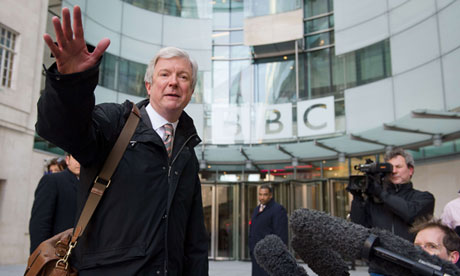
I will use the BBC for this.
Image source link.
Public service broadcasting is when the members of the public pay for channels through a TV license. This is has to be paid for by anyone that owns a television and also tax payers. Because of this, the channel has to be suitable and must cater for all audiences.
The aim of this is to inform, educate and entertain.
The BBC is also funded by selling merchandise and programmes.
Many BBC programmes are sold across different countries, for example BBC have sold some drama and comedy programmes to Australia's TV company Foxtel quite recently.
A good example of merchandise being sold to help fund the TV channel could be Doctor Who.
Image source link.
Bilbiography
http://www.abc.net.au/news/2013-04-17/abc-disappointed-as-bbc-sells-programs-to-foxtel/4635492
http://www.bbc.co.uk/aboutthebbc/insidethebbc/whoweare/publicpurposes/
en.wikipedia.org/wiki/Public_service_broadcaster
Image source link.
Public service broadcasting is when the members of the public pay for channels through a TV license. This is has to be paid for by anyone that owns a television and also tax payers. Because of this, the channel has to be suitable and must cater for all audiences.
The aim of this is to inform, educate and entertain.
The BBC is also funded by selling merchandise and programmes.
Many BBC programmes are sold across different countries, for example BBC have sold some drama and comedy programmes to Australia's TV company Foxtel quite recently.
A good example of merchandise being sold to help fund the TV channel could be Doctor Who.
Image source link.
Bilbiography
http://www.abc.net.au/news/2013-04-17/abc-disappointed-as-bbc-sells-programs-to-foxtel/4635492
http://www.bbc.co.uk/aboutthebbc/insidethebbc/whoweare/publicpurposes/
en.wikipedia.org/wiki/Public_service_broadcaster
Commercial Service
I will use ITV for this.
Image source link.
Commercial service broadcasting is the broadcasting of television and radio programming by privately owned corporate media.
The ITV is funded by advertisements and sponsorships. On their website, they say 'The majority of revenue comes from selling advertising across our family of channels.'
Image source link.
Commercial service broadcasting is the broadcasting of television and radio programming by privately owned corporate media.
The ITV is funded by advertisements and sponsorships. On their website, they say 'The majority of revenue comes from selling advertising across our family of channels.'
Vertical Integration & Horizontal Integration
Vertical Integration is when different parts of an organisation come under others involved in the same process.
An example could be a production company could produce films and also own a distribution company that gets them to the cinema on time, the company could even also own some of the cinemas which will show the film.
Horizontal Integration is when a company sets up and owns different companies that produce and then sell services or good similar to eachother. Basically, the company will produce different products and services within the same industry. Related to media, a company may own a TV channel, a magazine and also a radio station.
Bibliography
http://uk.answers.yahoo.com/question/index?qid=20090501031448AAYS9qX
An example could be a production company could produce films and also own a distribution company that gets them to the cinema on time, the company could even also own some of the cinemas which will show the film.
Horizontal Integration is when a company sets up and owns different companies that produce and then sell services or good similar to eachother. Basically, the company will produce different products and services within the same industry. Related to media, a company may own a TV channel, a magazine and also a radio station.
Bibliography
http://uk.answers.yahoo.com/question/index?qid=20090501031448AAYS9qX
Privately Owned Broadcasting
Privately owned broadcasting companies are companies which are owned by non-governmental organisations.
An example of a privately owned broadcasting company is Sky.
Private ownership is when an organisation is owned, bought or sold by other companies and it is found in many cases that shares in the organisation are traded on the stock exchange privately.
Private companies can choose their shareholders and this is the only real difference to independent companies. These companies also don't have to give an exact percentage of income to the government.
Bibliography
http://corporate.sky.com/about_sky
An example of a privately owned broadcasting company is Sky.
Private ownership is when an organisation is owned, bought or sold by other companies and it is found in many cases that shares in the organisation are traded on the stock exchange privately.
Private companies can choose their shareholders and this is the only real difference to independent companies. These companies also don't have to give an exact percentage of income to the government.
Bibliography
http://corporate.sky.com/about_sky
Independant Companies
Independent companies are companies that work on their own. These companies can make decisions and are free of any interference from government or corporate interests.
A huge advantage of being an independent company is that any money that the company makes is its own profit rather than it being shared with other companies.
However, a disadvantage of this is that it can be difficult to stay alive against much larger companies that are owned by conglomerates that are more well-known.
It is found that sometimes if an independent company is very successful, they can be bought by larger conglomerates to make even more money.
Recently, ITV have decided to purchase the documentary producing company The Garden for £18 million.
Bibliography
http://www.contactmusic.com/news/itv-to-purchase-seven-dwarves-company-the-garden-for-18-million_3620682
A huge advantage of being an independent company is that any money that the company makes is its own profit rather than it being shared with other companies.
However, a disadvantage of this is that it can be difficult to stay alive against much larger companies that are owned by conglomerates that are more well-known.
It is found that sometimes if an independent company is very successful, they can be bought by larger conglomerates to make even more money.
Recently, ITV have decided to purchase the documentary producing company The Garden for £18 million.
Bibliography
http://www.contactmusic.com/news/itv-to-purchase-seven-dwarves-company-the-garden-for-18-million_3620682
Funding
License Fee
In the United Kingdom, any household that watches or records live broadcast television transmissions is required to purchase an annual television license. The transmissions can be terrestrial, satellite, cable or internet. As of now, the cost is £145.50 for colour and £49.00 for black and white. The income from the sales of the license is primarily used to fund the television, radio and online services of the BBC.
Advertising
Advertising is when a product will be advertised during a commercial break. For example, Virgin Media will have paid a channel, such as Channel 5 to air their advert during a programme break such as Big Brother, when a lot of people will be watching. Many conglomerates are funded by this such as Channel 4 and ITV also.
Sponsorship
Sponsorship is when companies pay for their logo or a mini-advert to be played before and after a TV programme. An example of this could be that Black XS Paco Rabanne sponsors the E4 programme Skins.
Subscription
Subscription is when you agree to pay on an annual, weekly or monthly to watch TV programmes. This is found in Sky and Virgin Media.
Although extra subscriptions are often available for extra benefits such as high-definition, music channels and other premium channels.
Pay Per View
Pay per view is when a television audience member will purchase a private broadcast of an event.
An example of this could be if there was a wrestling event, you would pay a one-time fee to watch the one event live on Sky Sports.
Another example could be when someone pays to watch a movie or a TV series on their Virgin Media box.
Product Placement
This is another form of advertisement but is very effective. Sometimes found in movies, music videos and advertisements, there will be a product on-show. An example could be a character wearing a particular clothing brand or drinking a drink such as Coke. This benefits the company that produced the media as they have been extra funded but will also benefit the company that has been shown in the media too, as they will gain more publicity.
Film making is expensive and producers get their funding from distributors who buy the right to the films before the filming even begins. Also there may be some investors that invest hoping to gain a share in any profits made.
Bibliography
http://entertainment.howstuffworks.com/movie-cost.htm
http://www.channel4sales.com/advertising/sponsorship/current_sponsors
In the United Kingdom, any household that watches or records live broadcast television transmissions is required to purchase an annual television license. The transmissions can be terrestrial, satellite, cable or internet. As of now, the cost is £145.50 for colour and £49.00 for black and white. The income from the sales of the license is primarily used to fund the television, radio and online services of the BBC.
Advertising
Advertising is when a product will be advertised during a commercial break. For example, Virgin Media will have paid a channel, such as Channel 5 to air their advert during a programme break such as Big Brother, when a lot of people will be watching. Many conglomerates are funded by this such as Channel 4 and ITV also.
Sponsorship
Sponsorship is when companies pay for their logo or a mini-advert to be played before and after a TV programme. An example of this could be that Black XS Paco Rabanne sponsors the E4 programme Skins.
Subscription
Subscription is when you agree to pay on an annual, weekly or monthly to watch TV programmes. This is found in Sky and Virgin Media.
Although extra subscriptions are often available for extra benefits such as high-definition, music channels and other premium channels.
Pay Per View
Pay per view is when a television audience member will purchase a private broadcast of an event.
An example of this could be if there was a wrestling event, you would pay a one-time fee to watch the one event live on Sky Sports.
Another example could be when someone pays to watch a movie or a TV series on their Virgin Media box.
Product Placement
This is another form of advertisement but is very effective. Sometimes found in movies, music videos and advertisements, there will be a product on-show. An example could be a character wearing a particular clothing brand or drinking a drink such as Coke. This benefits the company that produced the media as they have been extra funded but will also benefit the company that has been shown in the media too, as they will gain more publicity.
Film making is expensive and producers get their funding from distributors who buy the right to the films before the filming even begins. Also there may be some investors that invest hoping to gain a share in any profits made.
Bibliography
http://entertainment.howstuffworks.com/movie-cost.htm
http://www.channel4sales.com/advertising/sponsorship/current_sponsors
Subscribe to:
Comments (Atom)